

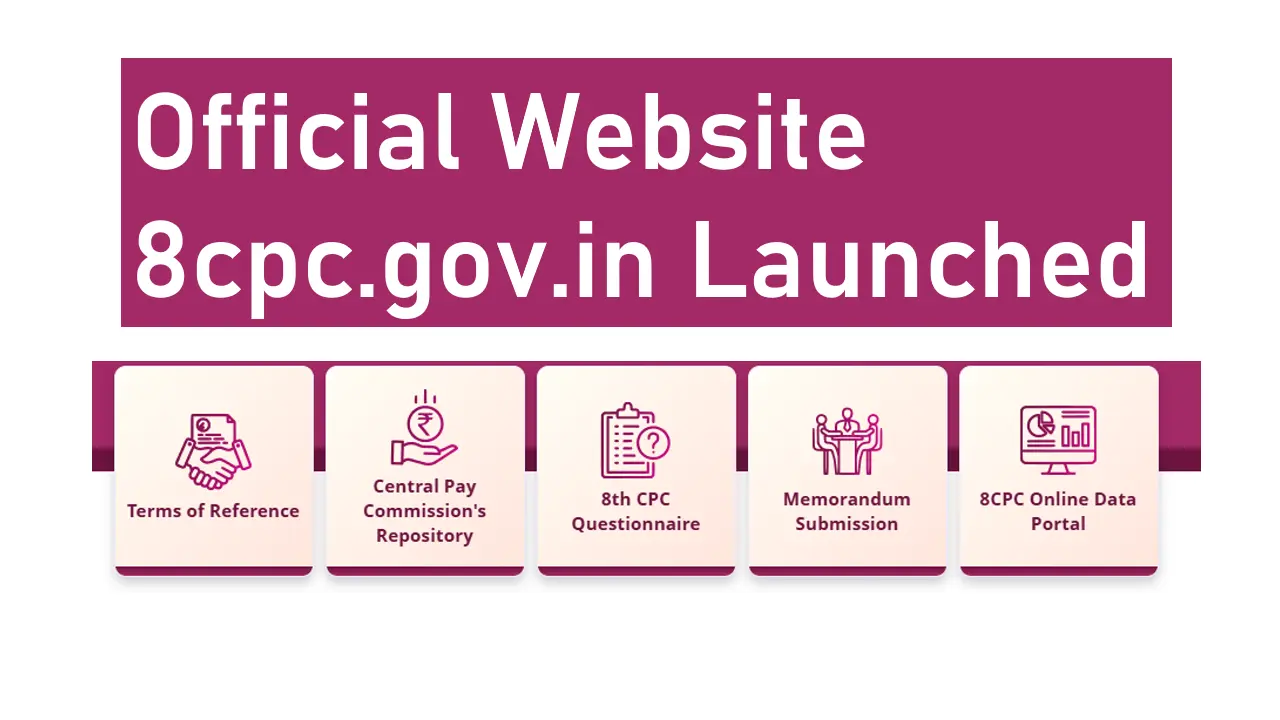
Building an Effective Official Website: Key Elements and Strategies
Creating an official website is crucial for any organization, business, or individual looking to establish an online presence that resonates with users and conveys authoritative messaging. An official website serves as a central hub for information, resources, and contact points. To illustrate the application of these principles, you might visit official website http://bailrigggardenvillage.co.uk as an example of effective design and user engagement strategies.
Understanding the Purpose of Your Website
The first step in building an effective official website is to clarify its purpose. Is it to provide information? Facilitate contact? Sell products or services? Different purposes will greatly influence the design, structure, and content of your site. For instance, an e-commerce website will need focused product pages and easy navigation for adding items to a cart, while an informational site will prioritize ease of access to key resources and content.
User-Centric Design
User experience (UX) and user interface (UI) design play vital roles in ensuring that your website is engaging and functional. Consider the following elements:
- Navigation: A clear and intuitive navigation bar helps users find the information they need quickly.
- Mobile Responsiveness: With increasing numbers of users accessing websites via smartphones, it’s crucial that your site is optimized for all devices.
- Visual Appeal: Use a cohesive color scheme, high-quality images, and typography that enhances readability while reinforcing your brand identity.
Content is King
Effective content creation is integral to the success of your official website. High-quality content not only informs visitors but also fosters engagement and encourages action. Here are some key tips for content creation:

- Know Your Audience: Understand who your target audience is, what questions they have, and how your website can address their needs.
- Quality Over Quantity: Rather than focusing on producing a massive amount of content, prioritize well-researched, valuable content that resonates with your audience and reflects your expertise.
- Regular Updates: Keep your content fresh by regularly updating it. This enhances your SEO and provides returning visitors with new information.
Search Engine Optimization (SEO)
In order to increase online visibility, implementing SEO best practices is essential. This involves optimizing your website to rank higher in search engine results pages (SERPs). Key strategies include:
- Keyword Research: Identify relevant keywords and phrases that potential visitors are likely to use when searching for content related to your website.
- Meta Tags and Descriptions: Use compelling meta titles and descriptions that include target keywords to improve visibility and click-through rates.
- Backlinks: Develop a strategy to gain quality backlinks from reputable sources to enhance your site’s authority and search ranking.
Integrating Social Media
Social media is a powerful tool for driving traffic to your official website. By integrating social media channels, you extend your outreach and promote user engagement. Consider these strategies:
- Add Social Sharing Buttons: Make it easy for visitors to share your content on their social media channels, thus increasing its reach.
- Regularly Update Your Social Profiles: Keep your social media pages active with content that directs back to your official website.
- Engage with Your Audience: Use social media platforms to foster relationships, respond to inquiries, and build a community around your brand.
Analytics and Improvement
To measure the effectiveness of your website and achieve continuous improvement, utilize analytics tools. These tools provide insights into user behavior, traffic sources, and overall site performance. Regularly analyze this data to identify trends, understand areas for improvement, and adapt your strategies accordingly. Key metrics to focus on include:
- Visitor Numbers: Monitor how many people are visiting your site and which pages are most popular.
- Bounce Rates: A high bounce rate may indicate that your content is not engaging enough or that your site is difficult to navigate.
- Conversion Rates: Track how many visitors take desired actions, such as signing up for a newsletter or making a purchase.
Security and Maintenance
It’s essential to prioritize security for your official website, especially if you’re handling sensitive information. Implementing security measures such as HTTPS, regular updates to your software, and using secure passwords can safeguard your site from threats. Additionally, regular maintenance is vital for ensuring optimal performance and user experience. Consider scheduling:
- Regular Backups: Regularly back up your website data to prevent loss of information.
- Software Updates: Keep all your themes, plugins, and content management systems (CMS) updated to the latest versions to improve security and functionality.
Conclusion
Building an effective official website requires a combination of thoughtful planning, engaging content, and strategic implementation of design and SEO practices. By focusing on your audience’s needs and continuously analyzing your site’s performance, you can create a valuable online resource that enhances your brand’s visibility and fosters user engagement. In today’s digital landscape, where the first impression is often made online, investing the time and resources into your official website is not just beneficial, it’s essential.