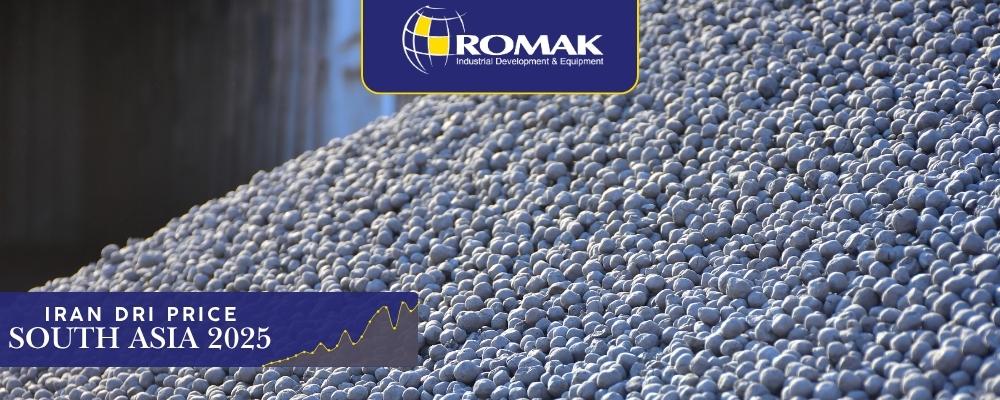
The steel industry, as one of the most vital components of modern infrastructure and manufacturing, continuously requires high-quality materials. Among these, Direct Reduced Iron (DRI) stands out as a cleaner, more energy-efficient alternative to traditional ironmaking methods. In recent years, Iran has emerged as a leading producer of DRI, particularly in the context of South Asia, a region experiencing robust economic growth and a rising demand for steel. As 2025 approaches, the Iran DRI price trends are expected to reflect a combination of market dynamics, geopolitical factors, and global economic conditions. This article delves into the key drivers of Iran DRI price trends, explores the market demand in South Asia, and offers practical insights for buyers and industry professionals looking to navigate this landscape.
Understanding Iran's Role in the Global DRI Market
What is DRI and Why is it Important?
Direct Reduced Iron (DRI), also known as sponge iron, is a high-quality iron product produced by reducing iron ore with natural gas or coal, without melting the ore. The resulting product is highly suited for electric arc furnaces (EAF) used in steelmaking, as it reduces the need for more energy-intensive processes. DRI’s environmental advantages, such as lower carbon emissions compared to traditional blast furnaces, have made it increasingly important in the global market, particularly in regions focused on sustainability.
Iran’s Position as a Leading Supplier of DRI
Iran stands as one of the top global producers of DRI, ranking second worldwide. The country’s robust production capacity, largely driven by state-of-the-art technologies like the MIDREX process, allows it to produce approximately 34 million tons of DRI annually. With its proximity to major steel markets in South Asia, including India, Pakistan, and Bangladesh, Iran has become an integral player in the region’s steel supply chain. As an established Iran DRI supplier, Romak Trading has capitalized on these strengths to become a reliable partner for customers across South Asia.
Iran DRI Price Trends in 2025
Current Market Price of Iran DRI
As of early 2025, the price of Iran DRI has shown a moderate increase compared to previous years. On average, prices are expected to fluctuate between $316 and $355 per ton. The fluctuations can be attributed to a variety of factors, including global steel demand, energy prices, and geopolitical tensions that affect Iran’s ability to export.
Iran’s DRI prices are generally competitive due to the country’s large-scale production capabilities and relatively low energy costs compared to other major producers. As an Iran DRI exporter, Romak Trading is able to offer consistent pricing and secure long-term supply agreements to its partners, ensuring price stability for buyers in South Asia and beyond.
Factors Affecting Iran DRI Prices
Global Steel Demand
One of the most significant drivers of DRI prices is the global demand for steel. In 2025, South Asia is expected to see a continued surge in steel consumption, driven by urbanization, infrastructure development, and industrialization. This rising demand will put pressure on DRI suppliers like Iran to meet the increasing needs of the market. For instance, the expansion of India’s infrastructure projects and Pakistan’s growing automotive sector are set to increase their demand for high-quality steel, further impacting the pricing of DRI.
Energy Prices
Energy costs are crucial to the production of DRI. Iran’s competitive edge in DRI production is partially due to its relatively low natural gas prices. However, fluctuations in global energy markets—particularly in natural gas prices—can significantly affect the cost of producing DRI in Iran. In the coming years, any disruptions in energy supply or increases in natural gas prices could lead to higher DRI prices, which could ripple through global markets.
Future Price Projections
Looking ahead, the Iran DRI price trends are expected to be volatile, particularly in the short term. In the longer term, however, as global demand for steel stabilizes and Iran’s production capacity increases, prices may stabilize or slightly decrease. Steel buyers in South Asia should be prepared for price fluctuations and engage in strategic sourcing to mitigate risks. As an experienced Iran DRI trader, Romak Trading is well-positioned to advise customers on the best strategies to secure competitive pricing.
Market Demand for Iran DRI in South Asia
Growing Demand in South Asia
South Asia has become one of the most important markets for DRI. As one of the fastest-growing regions in the world, South Asia’s steel demand is on an upward trajectory. Countries like India, Pakistan, Bangladesh, and Sri Lanka are investing heavily in infrastructure projects, manufacturing, and automotive industries, all of which require vast quantities of steel. The increase in demand for steel, particularly from electric arc furnaces (EAF), is driving the need for high-quality DRI imports.
Supply Shortages and Import Reliance
Despite the growing demand, South Asian countries face supply shortages in DRI, as domestic production capacity remains limited. As a result, there is a strong reliance on imports from leading DRI producers, such as Iran. Iran’s proximity, coupled with its competitive pricing, positions it as an ideal source for South Asian buyers. Romak Trading, as an established Iran DRI supplier, ensures a steady supply of DRI to meet the growing needs of the region.
Strategic Partnerships for Long-Term Supply
To meet the evolving demand for DRI in South Asia, long-term partnerships with reliable suppliers like Iran are essential. Strategic sourcing agreements can help mitigate risks associated with price fluctuations and supply disruptions. As a trusted Iran DRI exporter, Romak Trading offers flexible, long-term contracts that allow buyers to lock in prices and ensure a steady supply of DRI over extended periods. These partnerships are not only beneficial for pricing but also for securing stable deliveries and minimizing the risk of stockouts.
Conclusion: Navigating the Iran DRI Market in 2025
The Iran DRI price trends in 2025 are influenced by a range of factors, from global steel demand to energy prices and geopolitical tensions. For buyers in South Asia, understanding these trends is crucial to making informed procurement decisions. With Iran remaining a key supplier in the region, the demand for its DRI is expected to grow, providing both opportunities and challenges for buyers.
By establishing long-term relationships with experienced suppliers like Romak Trading, South Asian buyers can navigate these market dynamics with confidence, ensuring a steady supply of high-quality DRI at competitive prices. The ability to forecast market trends and secure stable pricing will be key to staying ahead in the rapidly evolving steel industry.
Secure Your Supply of Iran DRI
Contact Romak Trading today to discuss your DRI needs and secure a dependable, high-quality supply for your South Asian operations.
Sourcing DRI from Iran offers significant advantages, including competitive pricing, high-quality products, and reliable supply chains. Iran’s proximity to South Asia and advanced production technologies make it an ideal supplier for countries in the region.
Romak Trading offers flexible long-term contracts tailored to meet the specific needs of steel producers in South Asia. Contact us to discuss your requirements and negotiate a pricing structure that aligns with your production needs.
The price of Iran DRI is influenced by global steel demand, energy prices, and geopolitical factors. Additionally, fluctuations in currency exchange rates and changes in trade policies can also impact pricing.